Woodblock and Paper
Every page of a woodblock-printed Tibetan text begins as a plank of wood and a knife.
Text was printed from carved blocks onto long loose leaves, one block to a page, and the blocks were kept.
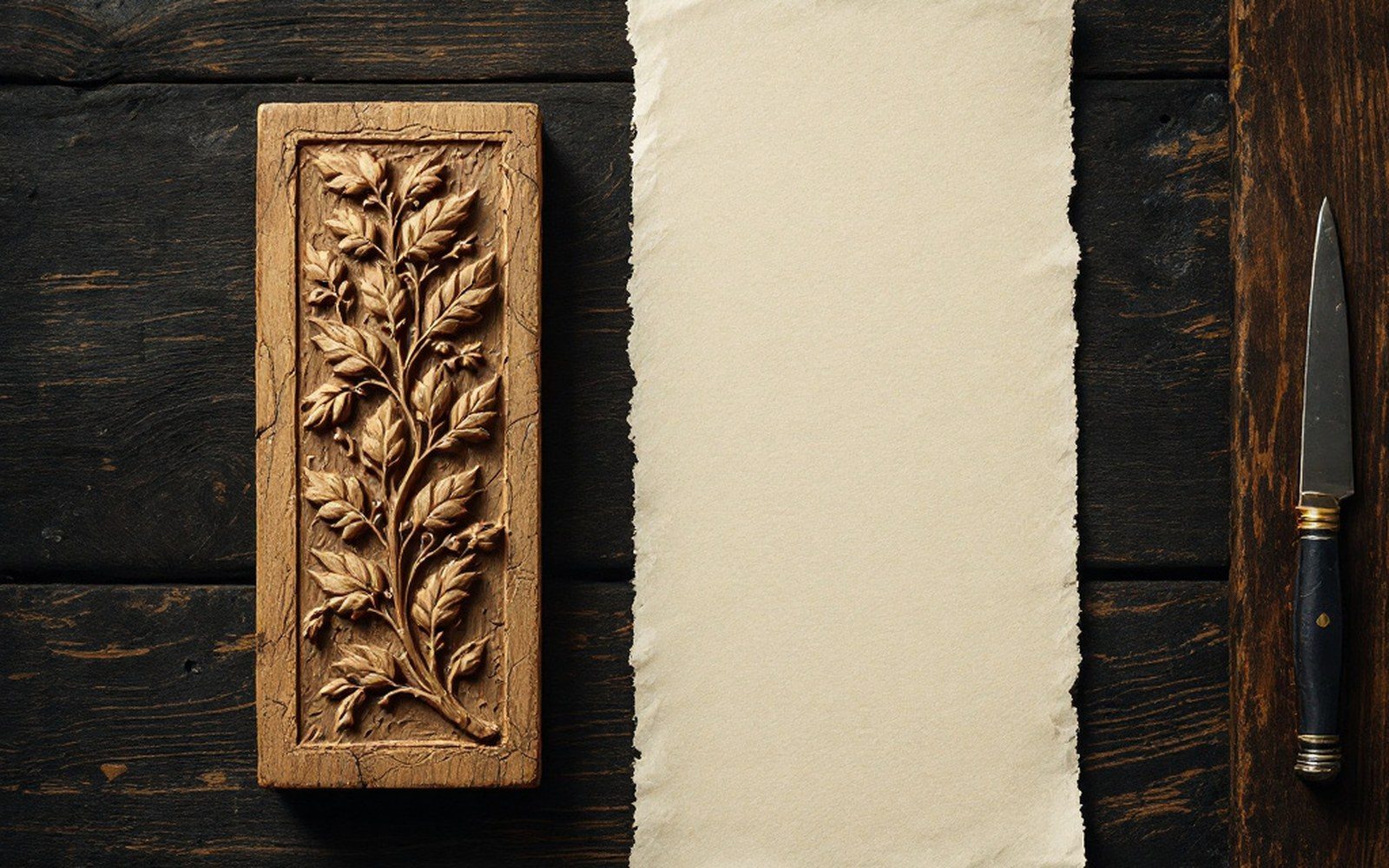
Lampblack ink: soot-derived, water-suspended, brushed across the block faceProTibet picture library
The block is carved in relief — a whole page of mirrored text cut into close-grained wood, often birch or willow, whatever the altitude and the valley offered.
Ink, typically made from lampblack bound in water, is rolled or brushed across the face of the block, a sheet of paper is laid over it, pressed by hand or with a flat pad, then peeled away. Each impression takes seconds. The block, carefully stored and re-inked, can print thousands of copies without significant degradation, which is why the great printing houses of Derge, Narthang, and Chone accumulated blocks by the tens of thousands.
01The Paper
The sheet receiving the impression was almost never wood-pulp paper of the kind familiar elsewhere.
Tibetan paper was made predominantly from the bark and root of Daphne shrubs — a genus that grows on the middle slopes of the plateau's southern valleys and whose fibres are naturally toxic to insects. Long maceration, beating, and careful drying on cloth frames produced a sheet that is robust, slightly fibrous in texture, and resistant to the silverfish and beetles that devastate archives elsewhere. The toxicity is a material property, not incidental: it is a large part of why the libraries of Tibetan monasteries survived centuries in conditions that would have destroyed any other paper tradition.
Leaves were printed on both sides where the block impression was precise enough, but many formal texts printed one side only, leaving a clean verso that scribes used for marginal notes.
The finished leaves were stacked loose, unbound, between wooden boards — the pothi format inherited from Indian palm-leaf manuscripts — and tied with cloth cord. Because there is no binding, individual leaves can be replaced without destroying the whole.
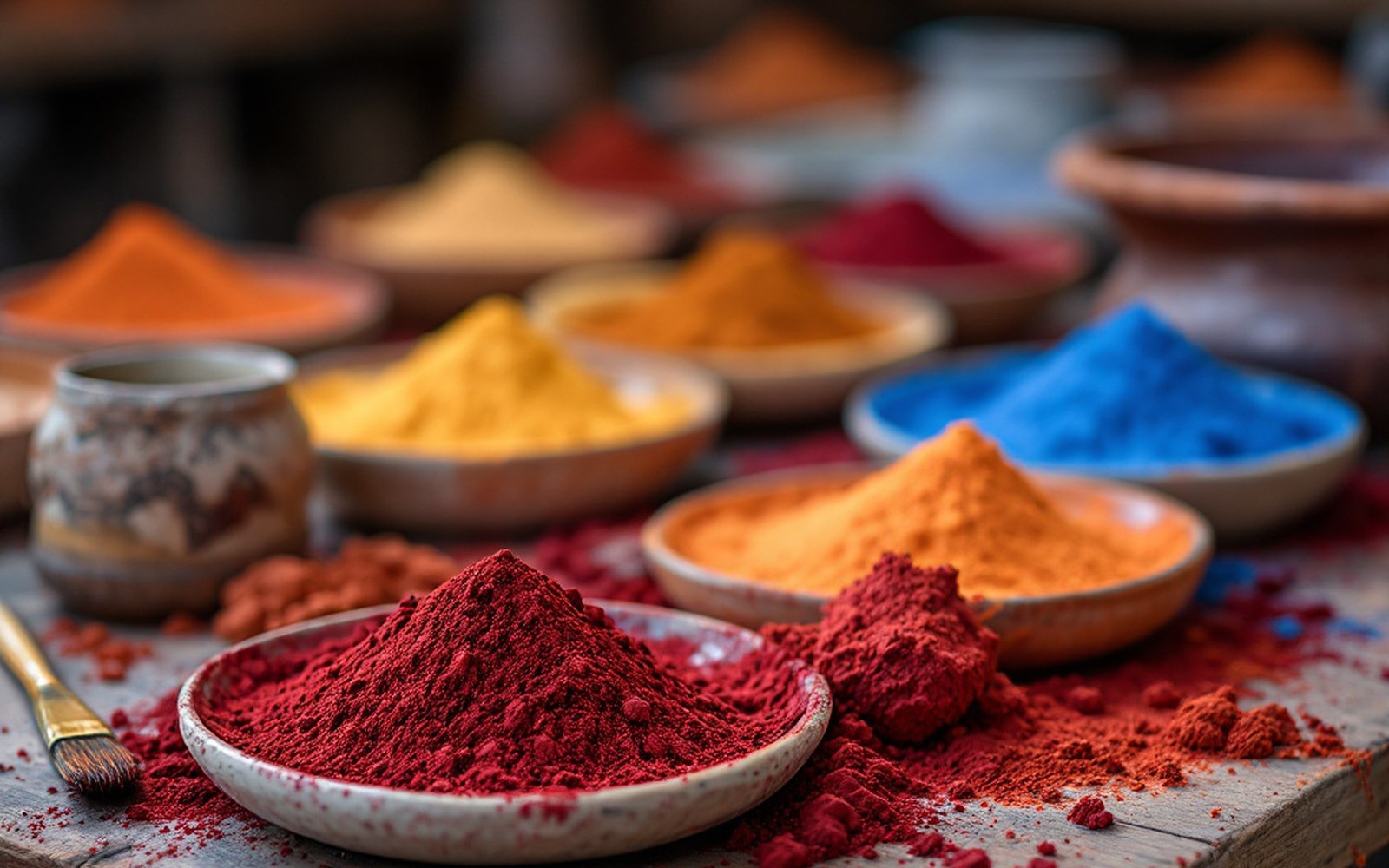
Ground azurite, malachite, cinnabar and orpiment, bound in animal glue — the colours are stones before they are paint. Read the entryProTibet picture library
02The Blocks
A set of blocks, once carved, was a standing asset.
The Derge Printing House in Kham holds more than two hundred thousand surviving woodblocks, covering canonical texts and secular subjects across centuries of carving. The investment in cutting a block was enormous — skilled carvers working letter by letter in mirror image — so blocks were stored horizontally in racks, kept dry, re-oiled periodically, and treated as the durable half of the publication. The paper wore out and was replaced; the wood endured.
That asymmetry — the block as the permanent record, the printed leaf as the working copy — reversed the logic of manuscript culture, where the text lives in ink on the page and is always one fire away from extinction.
Key materials
| Lampblack ink | soot-derived, water-suspended, brushed across the block face |
| Daphne bark/root paper | insect-resistant due to native toxins in the plant fibre |
| Wood blocks | birch, willow or equivalent close-grained local timber; stored in racks and re-used across centuries |
| Pothi format | loose-leaf stack between wooden boards, tied with cord; no binding spine |
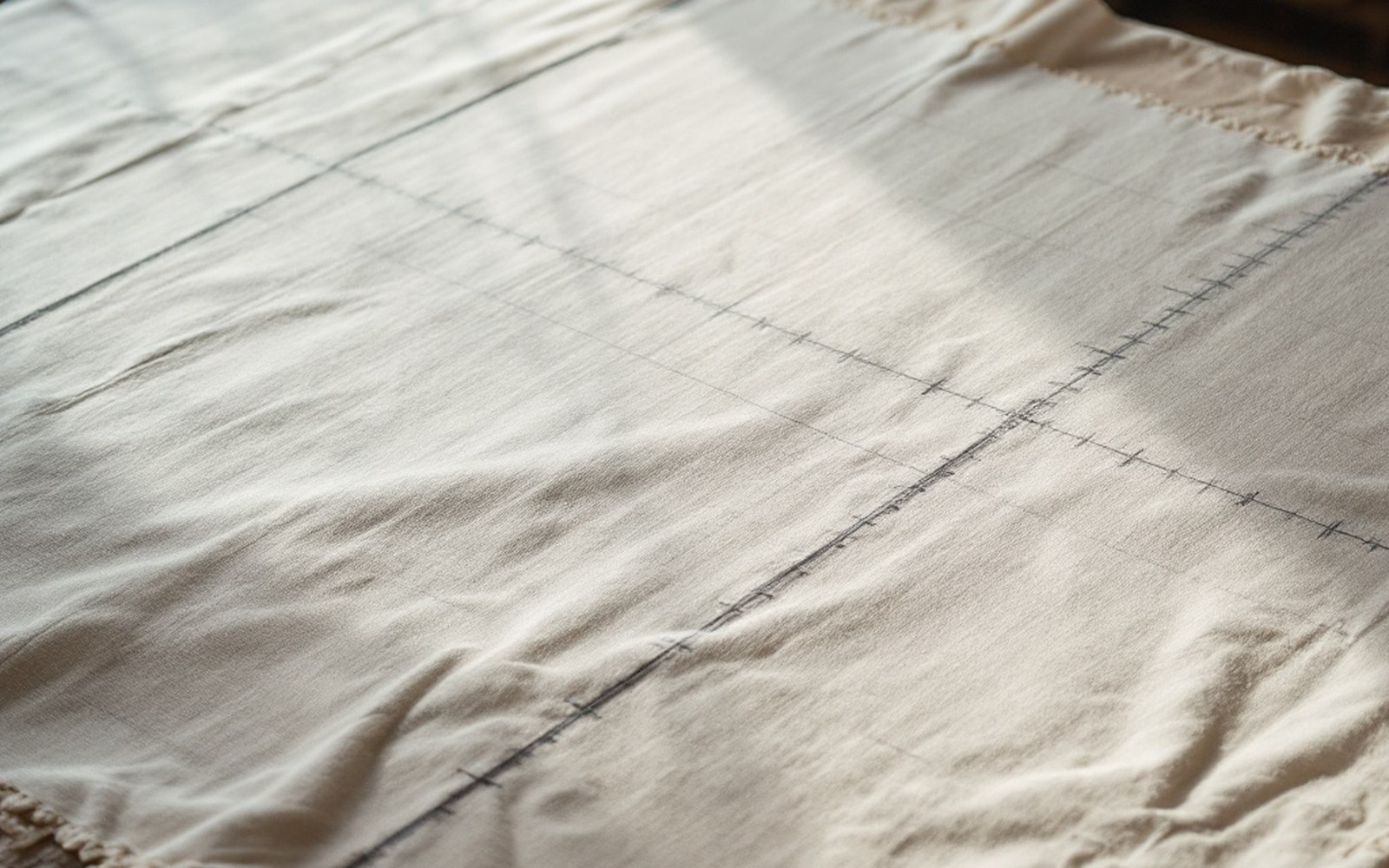
A painted figure is set out on a ruled proportional grid before any colour is laid, so the drawing is a measurement rather than a sketch. Read the entryProTibet picture library
Places in the text
| Derge (Kham) | site of the most significant surviving woodblock collection, 200,000+ blocks |
| Narthang and Chone | other major Tibetan printing centres |
| Southern plateau valleys | the Daphne shrub's natural range and the main paper-production zone |
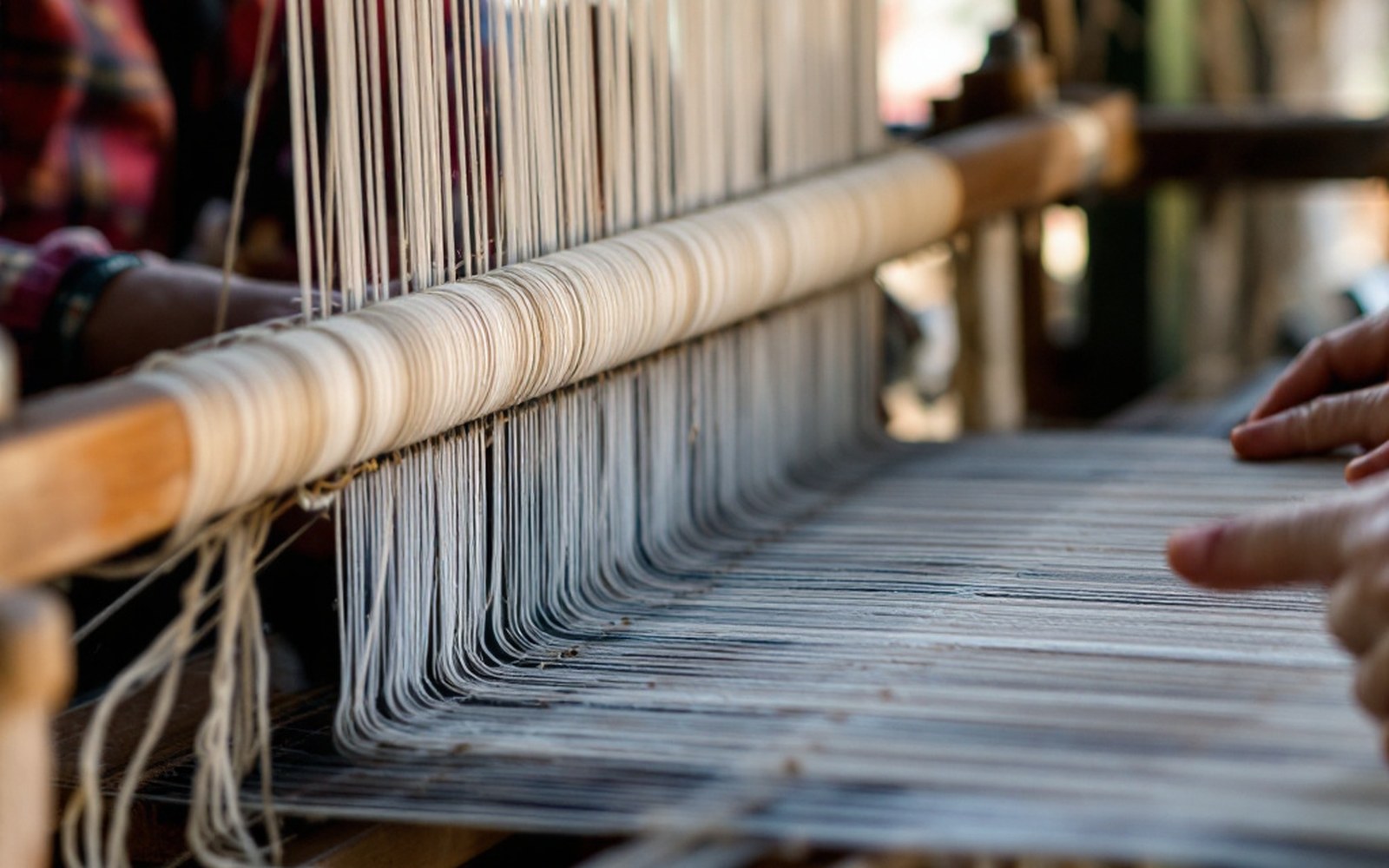
Backstrap and frame looms produce narrow cloth that is joined in strips, which is why the patterning runs the way it does. Read the entryProTibet picture library
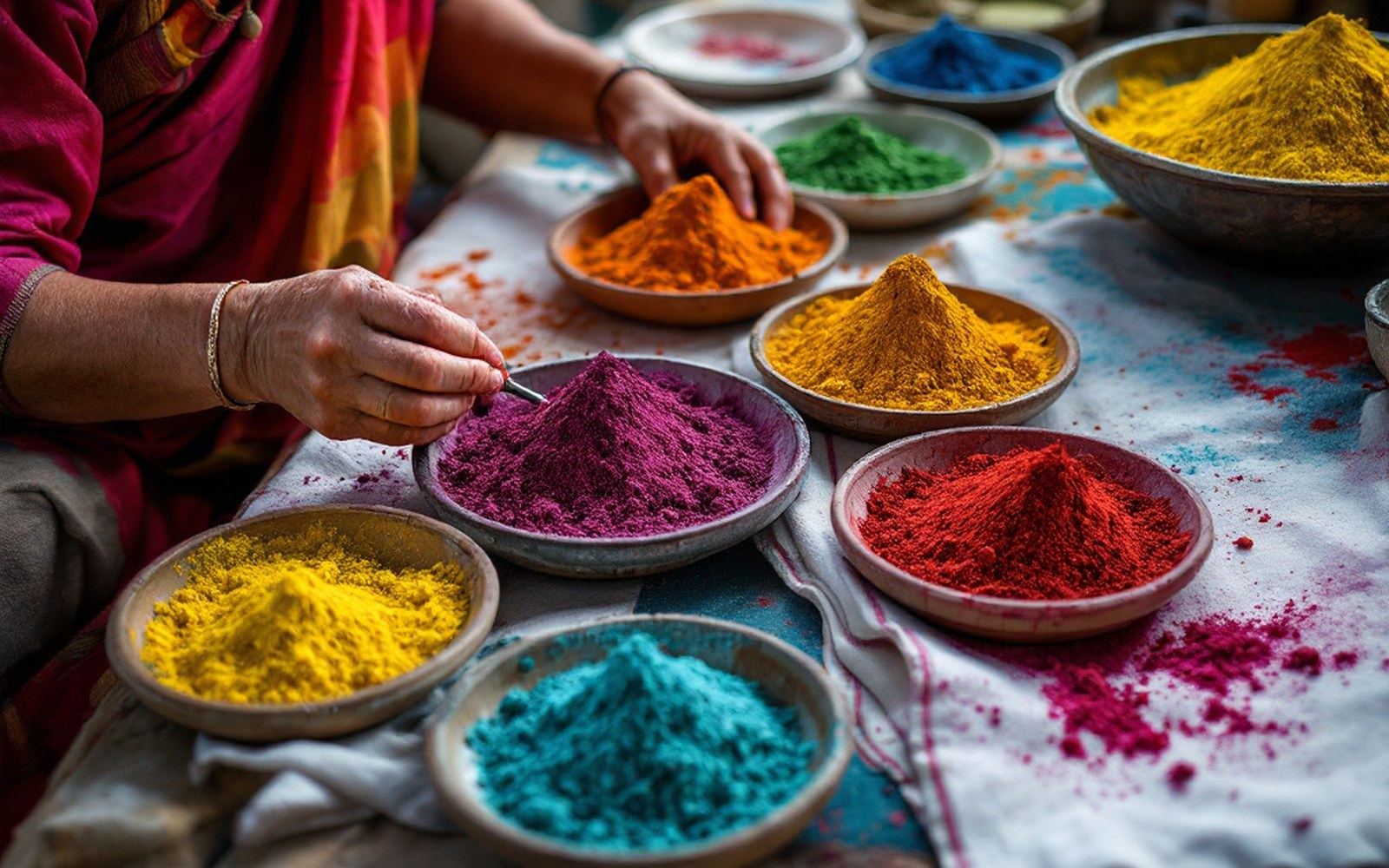
The colours are stones before they are paint — azurite, malachite, cinnabar and orpiment, ground and bound in hide glue.ProTibet picture library