Paper and Ink
The manuscript survives when the support resists what wants to eat it.
Paper made from a toxic shrub root resists insects, which is a large part of why so much survived.
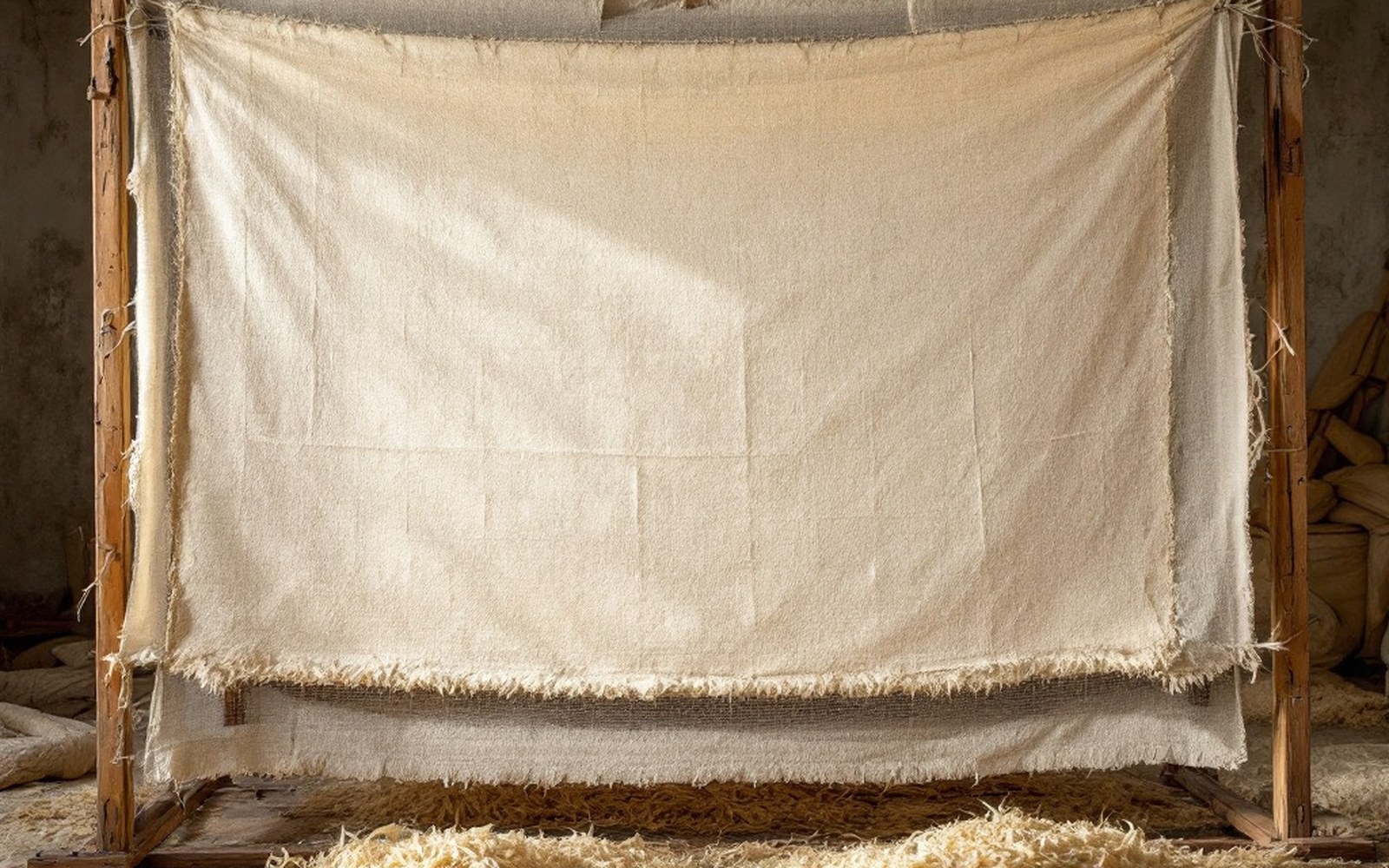
Daphne bark: primary fibre source; inner and root bark; toxic to insectsProTibet picture library
01What Tibetan paper is made from
The shrub is Daphne — specifically species such as Daphne bholua and related plants growing at middle elevations across the southern plateau and the Himalayan flanks.
Its inner bark and root bark yield long, tough fibres, and those fibres, when pulped and sheet-formed, produce a paper with one decisive advantage: Daphne tissue contains diterpenoid compounds toxic to insects. A manuscript leaf made from it is, in effect, its own pesticide. Woodworm and silverfish that would reduce European parchment or Chinese mulberry paper to powder leave Tibetan sheets largely untouched. This is not incidental. Texts surviving from the eleventh and twelfth centuries in monastery libraries scattered across the plateau owe their legibility to the chemistry of the plant as much as to any care in storage.
The papermaking process is a variant of the pan-Asian wet-sheet method.
Fibres are boiled, beaten to a pulp, suspended in water, and lifted on a flat mould — traditionally a cloth-bottomed frame — then sun-dried. Tibetan sheets tend to be thick and slightly rough-surfaced, with a visible fibre texture. They were sized with a starchy wash to reduce absorbency before writing, and the finished leaf could be polished with a smooth stone to create a denser writing surface. Sheets were joined end-to-end to form long scrolls, or left single for the loose-leaf pecha format — long narrow leaves stacked horizontally between boards — which the woodblock-and-paper guide covers in its printing context.
02Ink and the written line
Ink was carbon-based: lamp-black or soot suspended in a binder, typically a solution drawn from hide glue or plant gum.
The result is intensely black, chemically stable, and — because carbon does not react with the paper's fibres — it sits on the surface rather than eating into it as iron-gall inks did in Europe. High-status manuscripts used mineral pigments for rubrics and section markers: red from cinnabar or ochre, occasionally gold or silver ink made by grinding metal and suspending it in the same glue medium, then burnishing after drying.
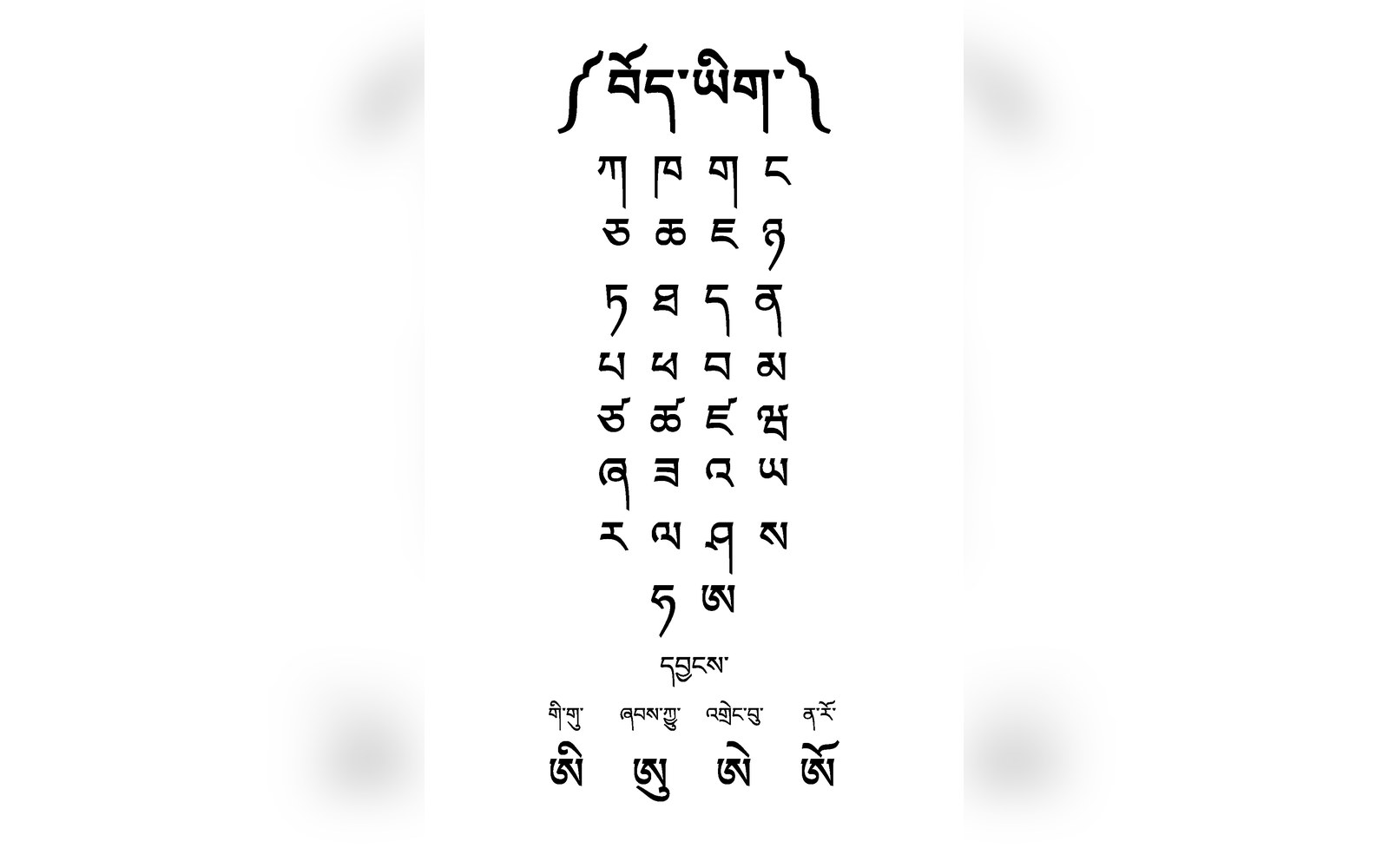
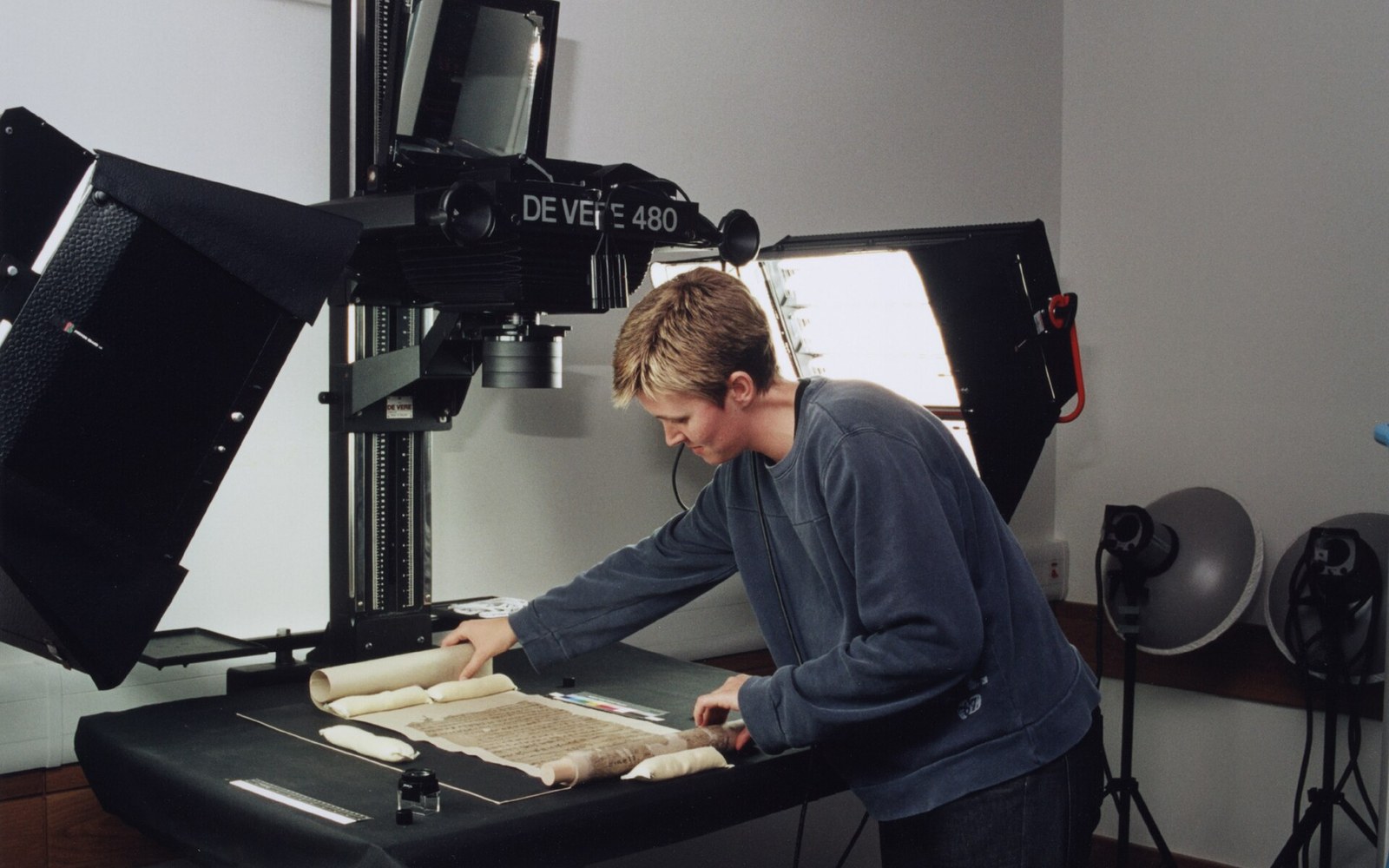
The writing instrument was a reed or bamboo pen cut to a narrow chisel nib, producing the characteristic thick-and-thin stroke of the script. The scribe wrote with the leaf horizontal, steadying the long narrow format with the left hand. Among the texts recovered from Cave 17 at Dunhuang, Tibetan leaves show this soot-ink on Daphne-fibre paper surviving over a millennium in near-perfect condition — a result the chemistry of the material, not luck, largely explains. The International Dunhuang Project holds and digitises many of these documents.
Materials at a glance
| Daphne bark | primary fibre source; inner and root bark; toxic to insects |
| Pulping method | wet-sheet, frame mould, sun-dried |
| Sizing | starch wash applied before writing; surface burnished with stone |
| Ink | lamp-black or soot in hide-glue or plant-gum binder; carbon-stable |
| High-status ink | ground gold or silver in glue medium, burnished when dry |
| Rubric pigments | cinnabar (red), ochre; applied with the same reed pen |
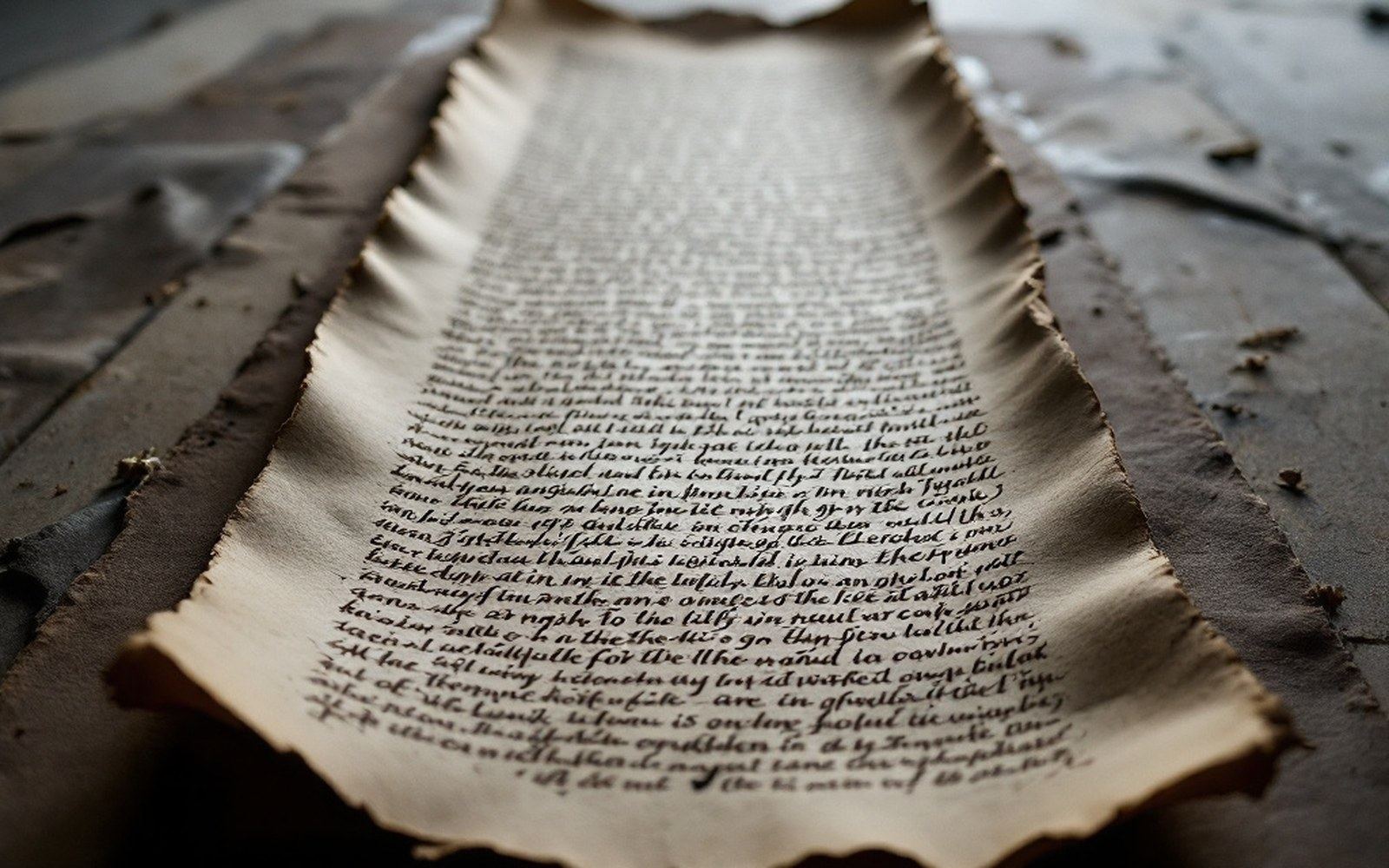
The language of those documents differs from the modern written form in spelling and grammar, which is how the manuscripts are dated. Read the entryProTibet picture library
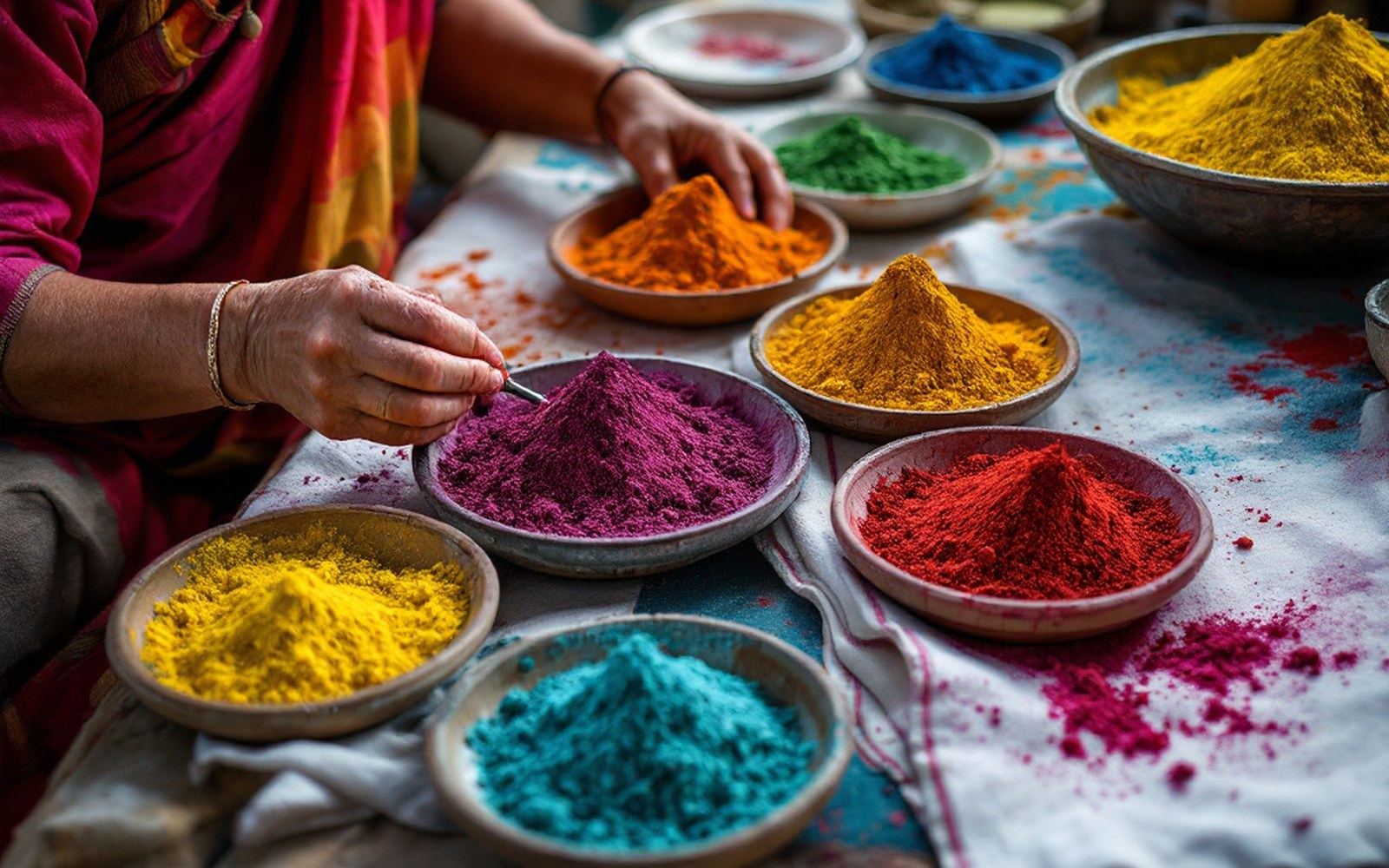
The colours are stones before they are paint — azurite, malachite, cinnabar and orpiment, ground and bound in hide glue.ProTibet picture library