Old Tibetan
The manuscripts sealed at Dunhuang preserve a form of Tibetan that had already changed by the time the cave was reopened — and the gap between old and modern is how scholars place a text in time.
The language of those documents differs from the modern written form in spelling and grammar, which is how the manuscripts are dated.
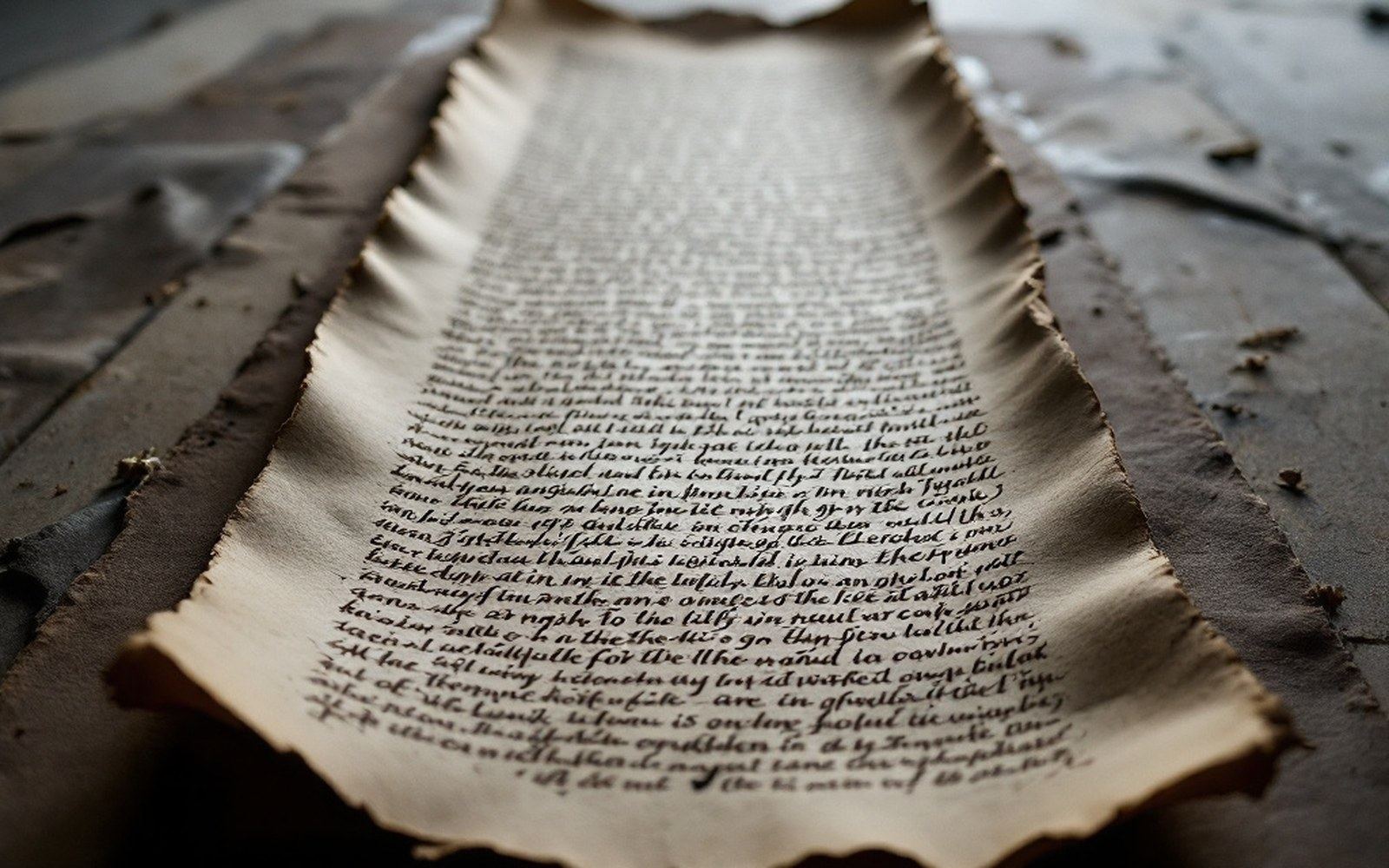
7th century: Thonmi Sambhota devises the Tibetan script under Songtsen GampoProTibet picture library
01What the Script Preserved, and What It Did Not
When Thonmi Sambhota devised the Tibetan writing system in the seventh century under Songtsen Gampo, he built it to represent the sounds of the spoken language with reasonable precision.
That is precisely what makes the oldest manuscripts so useful: the spelling is phonetically faithful to a spoken form that no longer exists. Modern written Tibetan, by contrast, preserves older standardised spelling conventions, fixed after the early imperial period, even though the spoken language has shifted substantially beneath them — which is why, in standard Lhasa speech, a word spelled with four initial consonants may be pronounced with one. Old Tibetan caught the language before that conservative freeze set in.
The corpus is largely a product of one discovery.
When Wang Yuanlu unsealed Cave 17 at Dunhuang at the Mogao Caves in the early twentieth century, the chamber held tens of thousands of manuscripts, a significant portion of them Tibetan. Aurel Stein removed the majority of the Tibetan material to the British Library in 1907; Paul Pelliot carried a further portion to the Bibliothèque nationale de France the following year. The International Dunhuang Project has since digitised and catalogued much of this material, making it accessible to comparative scholarship for the first time.
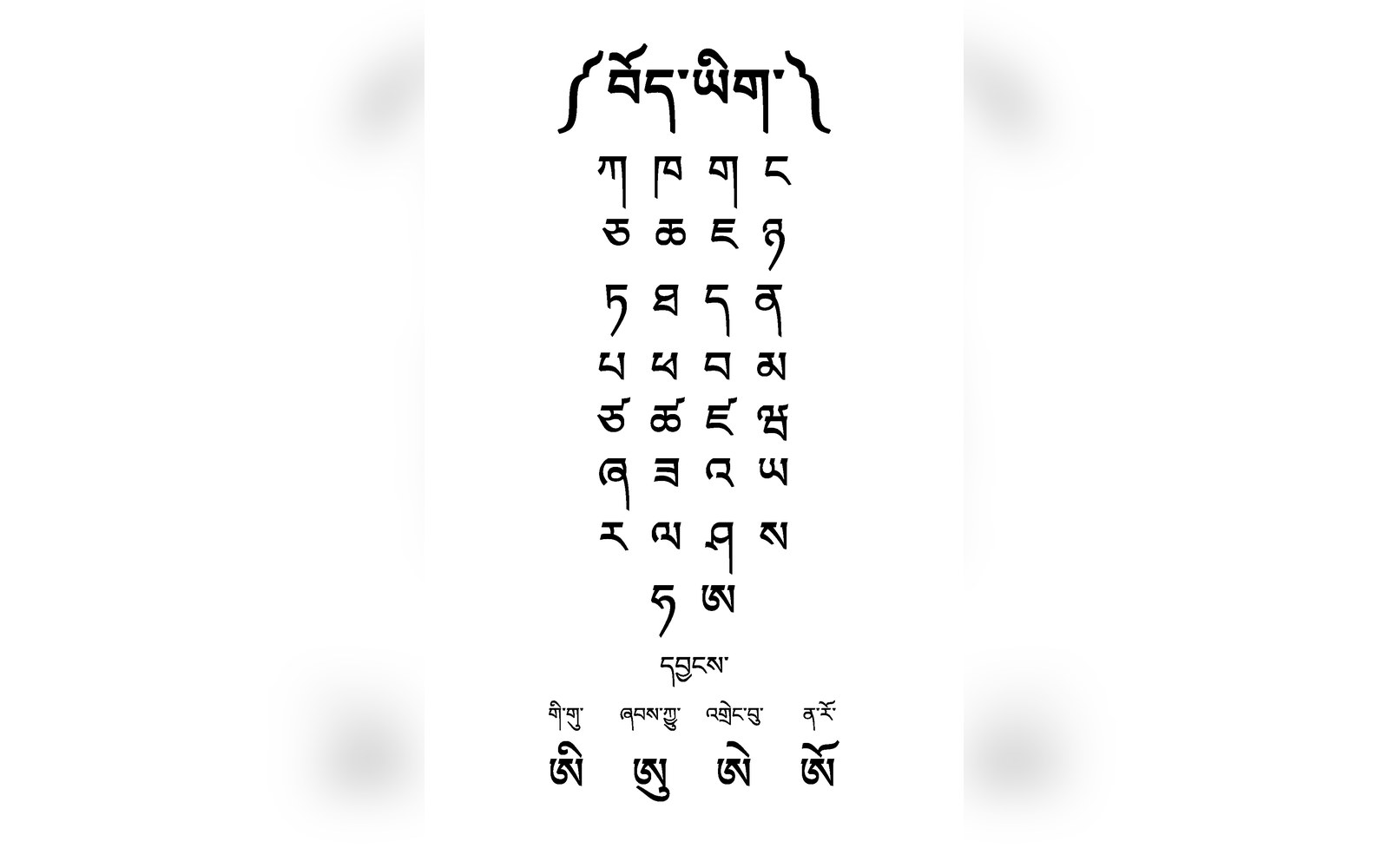
02Grammar, Spelling and the Dating Problem
Old Tibetan differs from the classical written form in several diagnostically useful ways.
Certain grammatical particles appear in variant forms — ergative case markers, verb endings and nominalising suffixes that later standardised differently. Some letters present in the modern spelling were not yet written; others were written in positions they would later vacate. The language also preserves a set of verb stems that classical Tibetan collapsed into a smaller system, distinguishing present, past, future and imperative forms more openly in the text rather than relying on context and particles.
These are not mere orthographic curiosities.
Because the Dunhuang cave was sealed around 1000 CE and the manuscripts inside were not copied after that point, a text showing Old Tibetan grammatical features can be bracketed, at minimum, to the imperial period — roughly the seventh through ninth centuries — or to the early post-imperial decades. A text written in fully classical orthography with standardised particles is later. The linguistic archaeology works because the British Library's Stein Tibetan collection includes documents covering administrative orders, military accounts, letters and divination texts: non-literary material where scribes were not trying to imitate a prestige style, so the spelling faithfully mirrors contemporary usage.
Chronology
- 7th centuryThonmi Sambhota devises the Tibetan script under Songtsen Gampo
- 7th–9th centuriesTibetan imperial period; Old Tibetan in active administrative use
- ~1000 CECave 17 at Mogao sealed; manuscripts preserved
- 1907Aurel Stein removes the majority of Tibetan material to London
- 1908Paul Pelliot's acquisition reaches Paris
- 20th century onwardInternational Dunhuang Project catalogues and digitises holdings
Comparison across document types sharpens the picture further. Administrative scrolls from the Tibetan imperial garrison at Dunhuang carry dates or reign-period references that anchor the linguistic features to specific decades. When an undated manuscript shares the same particle forms and the same uncontracted consonant clusters as a dated one, the inference is tight.
03The Living Edge of a Dead Form
Old Tibetan is not a different language — a modern reader trained in classical Tibetan can parse most of it, slowly, the way an English reader can work through Middle English.
But the differences are substantial enough that a non-specialist will misread it, and significant enough that scholars have built an entire subdiscipline around them. The University of Vienna's resources on Old Tibetan linguistics and the ongoing work of the International Dunhuang Project continue to refine the grammar and lexicon, cross-referencing document types to distinguish scribal error from genuine archaic usage.
What the Dunhuang manuscripts ultimately demonstrate is that the written language, far from being timeless, has a history legible in its own letters. Every uncontracted cluster, every archaic particle, every verb stem that later fell out of use is a date written in the text — you just have to know how to read the spelling against the grammar.
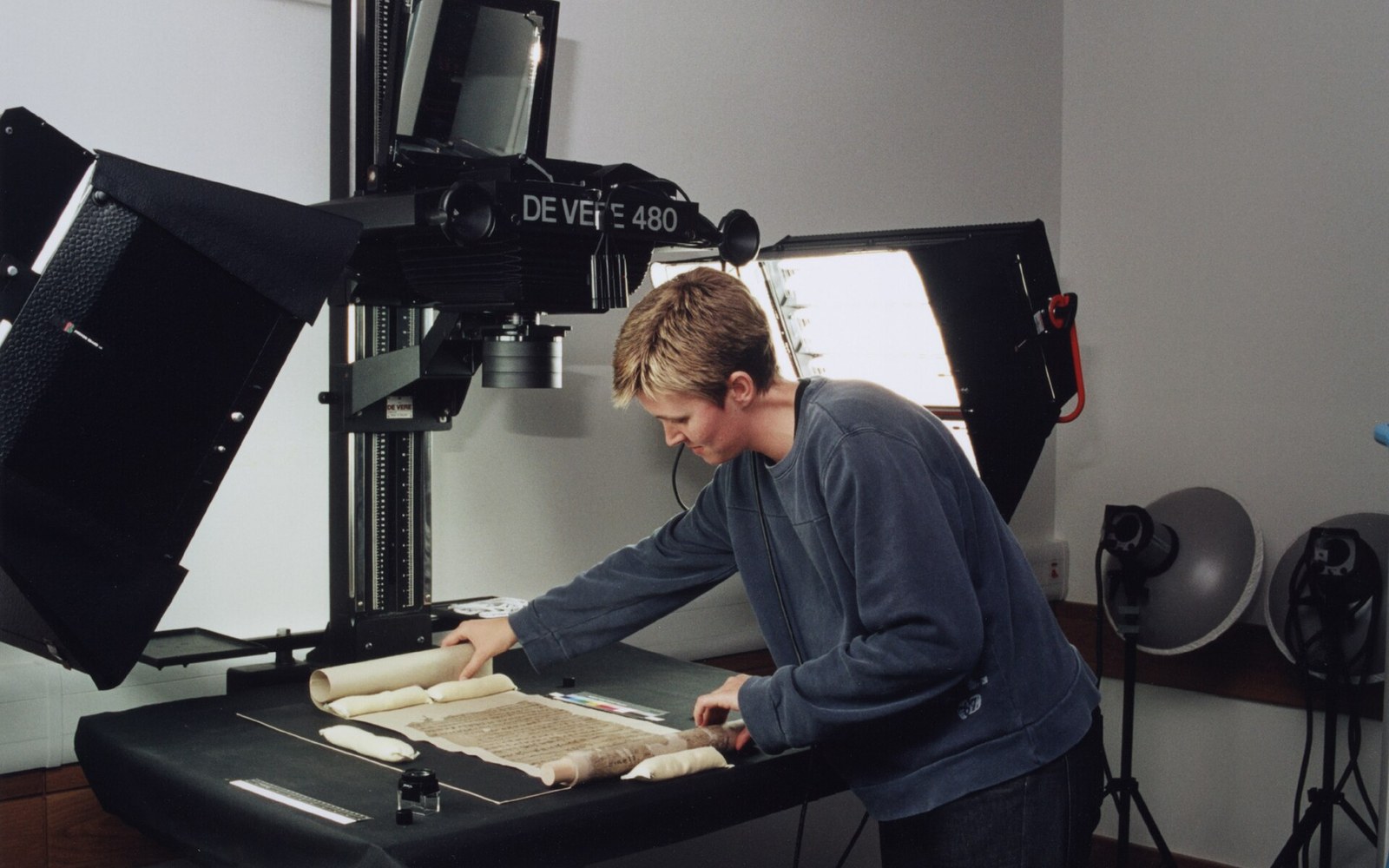
Key distinctions
| Verb system | Old Tibetan marks present/past/future/imperative stems more explicitly than classical Tibetan |
| Consonant clusters | initial clusters present in Old Tibetan spelling were later dropped or merged in spoken and some written forms |
| Particles | ergative and nominalising markers appear in variant forms; later standardised |
| Dating logic | documents with internal dates anchor undated texts by shared linguistic features |
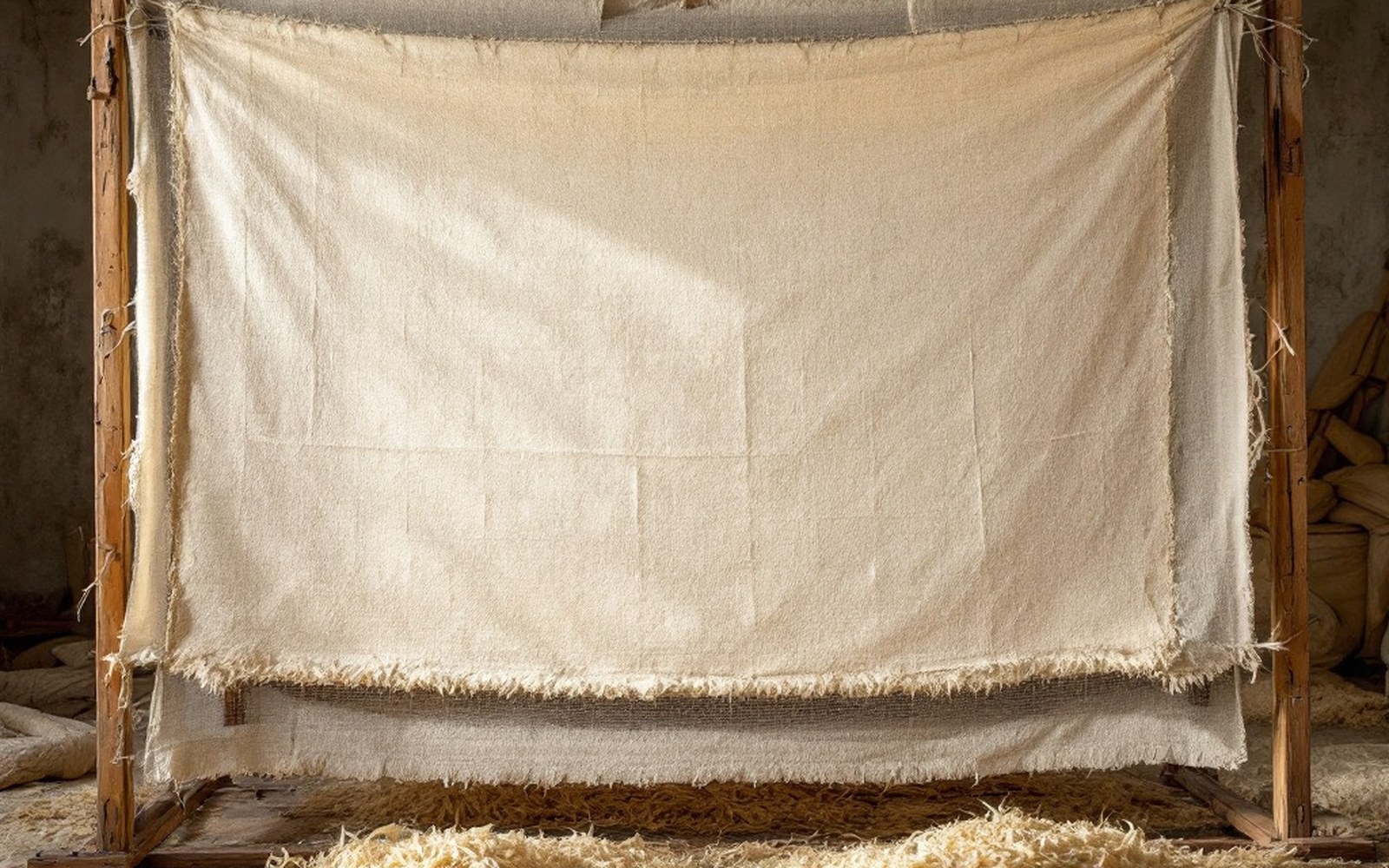
Paper made from a toxic shrub root resists insects, which is a large part of why so much survived. Read the entryProTibet picture library

The colours are stones before they are paint — azurite, malachite, cinnabar and orpiment, ground and bound in hide glue.ProTibet picture library