Cave 17 at Dunhuang
A sealed chamber at the edge of the Tarim Basin held tens of thousands of manuscripts, and the Tibetan documents among them preserve a period of the written language that almost nothing else survives from.
A sealed chamber held tens of thousands of manuscripts, and the Tibetan among them preserves a period almost nothing else survives from.
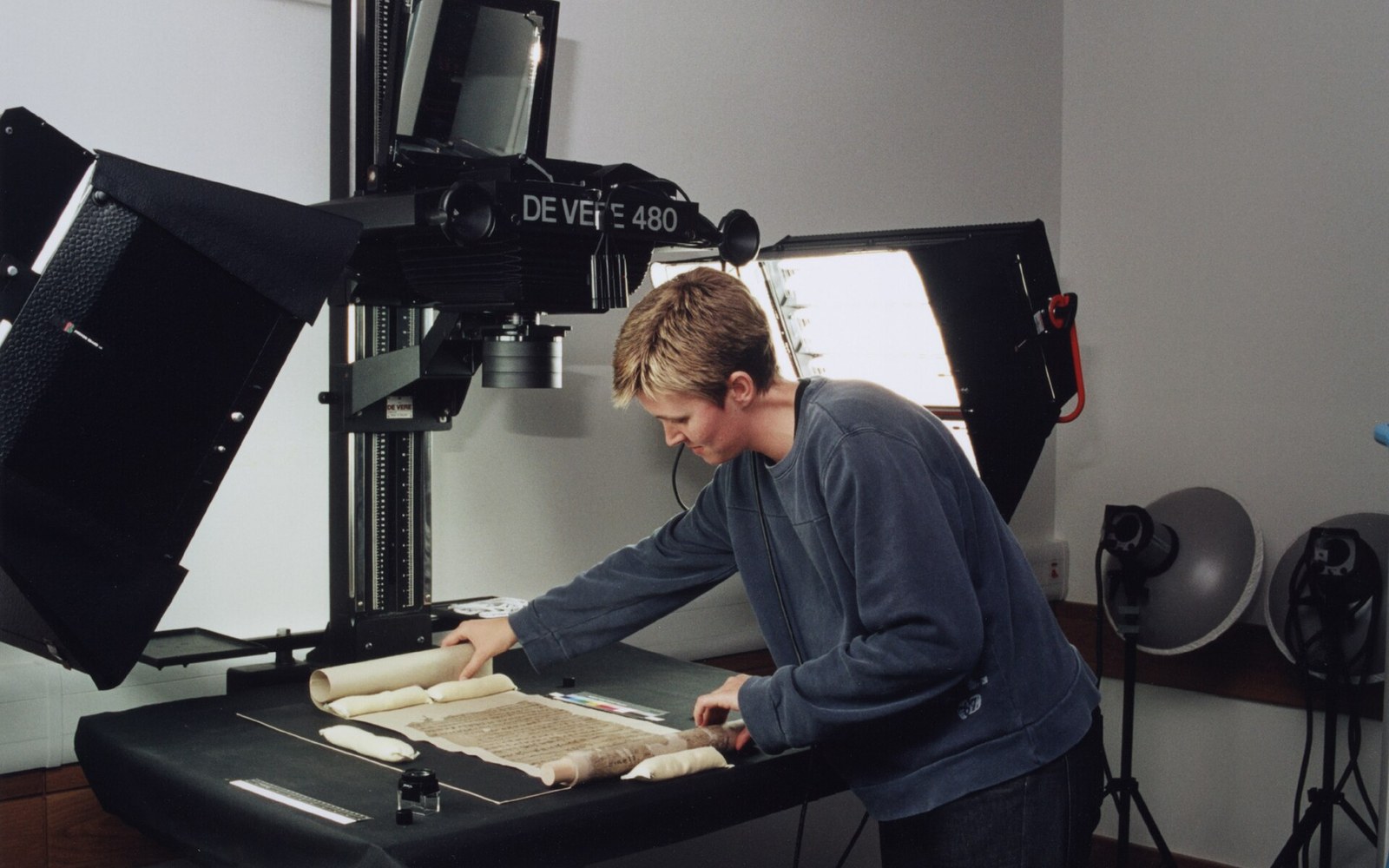
~4th century: Mogao cave-temple construction begins at DunhuangPhoto: Dunhuang manuscript digitisation · Wikimedia Commons
01A Room Behind a Wall
The Mogao Caves at Dunhuang, cut into a sandstone cliff face at the eastern edge of the Tarim Basin (40.038°N, 94.807°E), had been a site of Buddhist cave-temple construction since the fourth century. By the early eleventh century many were old and some damaged; centuries later, around 1900, a monk named Wang Yuanlu — a self-appointed caretaker — was clearing sand from the passages when a wall gave way. Behind it was a small chamber, roughly 2.7 metres square, stacked floor to ceiling with manuscripts, printed documents, silk paintings and textiles. No date for the sealing has been confirmed, but scholars working from the content of the cache broadly agree it was closed sometime in the early eleventh century, possibly around 1002. The chamber is catalogued as Cave 17, and it had been shut for the better part of a thousand years.
The numbers are still startling. Somewhere above forty thousand individual manuscript items were retrieved — a figure that varies depending on how a "manuscript" is counted across scrolls, booklets, and loose leaves. They were written in Chinese, Tibetan, Sanskrit, Sogdian, Uyghur, Syriac, and several other languages of the Silk Road. The Tibetan portion alone runs to several thousand items. Together they form the largest archive of pre-modern Central Asian documents ever found in a single deposit.
02What Came Out, and Who Took It
Wang Yuanlu sold the right to examine the cave's contents to a sequence of foreign expeditions in the first decade of the twentieth century.
Aurel Stein, the Hungarian-British archaeologist working for the Archaeological Survey of India, made the first significant purchase in 1907, removing roughly seven thousand manuscripts and several hundred silk and paper paintings to what is now the British Library and the British Museum. The French orientalist Paul Pelliot arrived the following year with far more precise knowledge of the texts — he read Chinese and Tibetan fluently, and spent three weeks inside the cave working by candlelight before selecting around five thousand manuscripts. That material went to the Bibliothèque nationale de France. Later expeditions removed further portions; what remained was eventually transferred to the National Library of China.
The consequence for researchers is that a single archive is now distributed across several countries, with major holdings in London, Paris, Beijing, and St Petersburg.
The International Dunhuang Project, hosted at the British Library, exists precisely to address this: it has spent decades digitising, cataloguing and making freely available the dispersed items, linking records across institutions so the cache can be studied as a unit even though the objects are not.
Chronology
- ~4th centuryMogao cave-temple construction begins at Dunhuang
- ~786–848Tibetan Empire occupies Dunhuang; Tibetan administrative documents produced on site
- ~1002Cave 17 provisionally sealed (scholarly consensus; exact date not confirmed)
- ~1900Wang Yuanlu arrives at Mogao as caretaker; discovers the sealed chamber
- 1907Aurel Stein purchases first major portion; material goes to British Museum and British Library
- 1908Paul Pelliot selects second major portion; material goes to Bibliothèque nationale de France
- 1990s–presentInternational Dunhuang Project digitises and cross-catalogues dispersed holdings
03The Tibetan Documents and the Gap They Fill
The Tibetan manuscripts from Dunhuang are not peripheral curiosities within the archive — they are, for the history of the written Tibetan language and its early literature, irreplaceable.
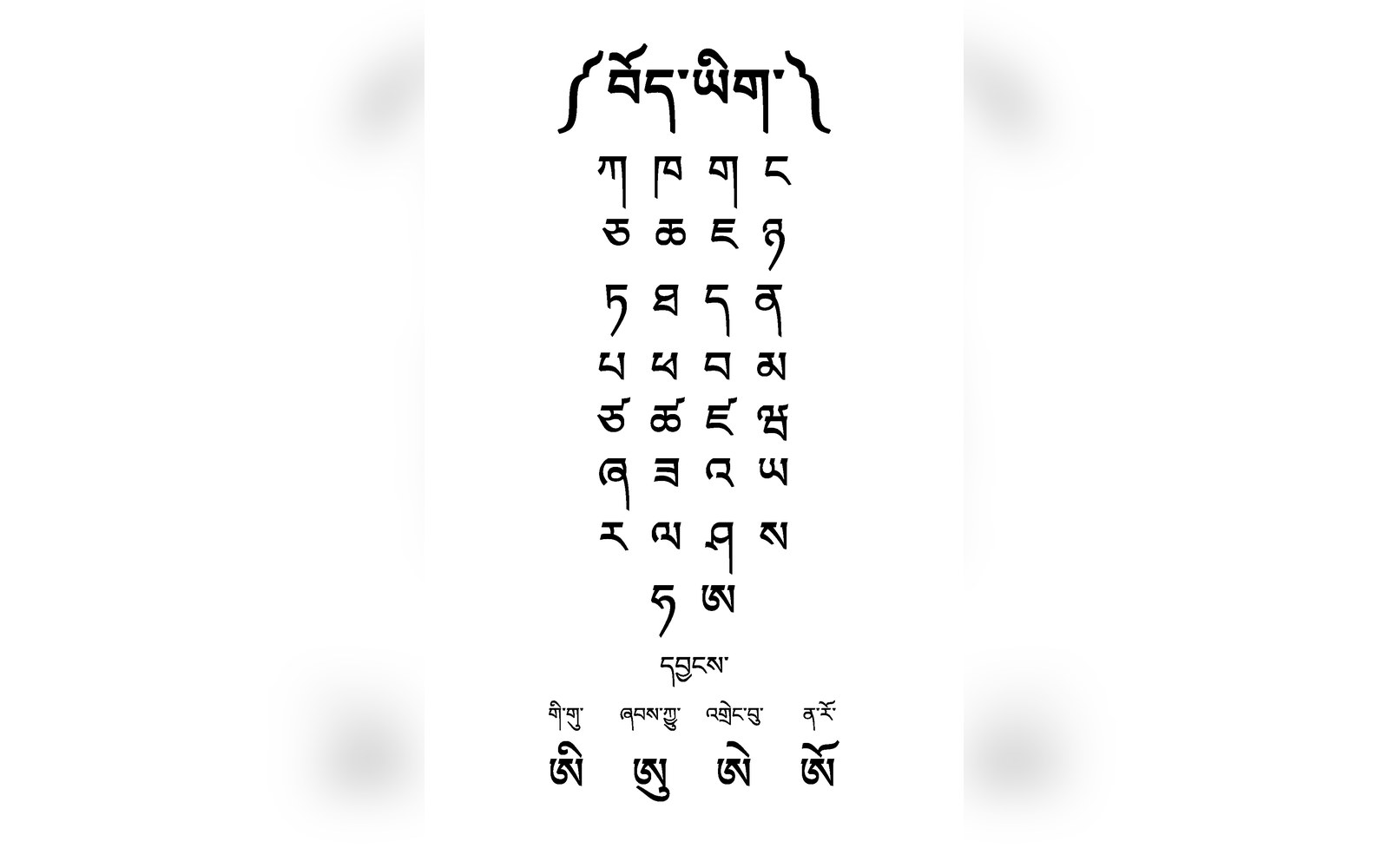
The Tibetan script was devised in the seventh century, during the reign of Songtsen Gampo, by the scholar Thonmi Sambhota, who adapted an Indic model to fit Tibetan phonology. The earliest sustained corpus of written Tibetan — the documents produced during the Tibetan Empire's occupation of Dunhuang, which lasted from around 786 until 848 — is preserved almost entirely in this cave.
That period is known as Old Tibetan: a form of the language that differs from later classical written Tibetan in grammar, spelling conventions, and vocabulary.
The Dunhuang manuscripts include the Old Tibetan Chronicle and the Old Tibetan Annals, two historical texts that constitute the primary written source for the empire's own account of itself. There is nothing comparable from the Tibetan plateau itself for this period — high-altitude conditions are harder on organic materials than a sealed desert cave, and the political disruptions after 848 meant that much was likely lost or destroyed. The cave effectively preserved a snapshot of Old Tibetan at the moment when it was a living administrative and literary language, not yet the fixed classical form that later centuries would standardise.
Beyond the chronicles and annals, the Tibetan cache includes medical texts, divination manuals, military documents, contracts, letters, and a substantial quantity of Buddhist canonical translations — some of the earliest surviving witnesses to Tibetan translation work that elsewhere exists only in later copies. The range matters as much as the prestige of any single item: official documents show how the language functioned administratively, personal letters show its colloquial range, and the variation in scribal hands reveals something of where literacy was located and how it was trained.
04Paper and Survival
The physical survival of these manuscripts is not accidental.
The cave's desert location, more than 1,000 kilometres north-northeast of Lhasa, gave it extremely low humidity. The sealed chamber added a further barrier against moisture and insects. Tibetan manuscript production used paper made from the fibres of the Stellera chamaejasme shrub — a plant with toxic properties that make the finished sheet naturally resistant to insect damage. The combination of toxic substrate and dry dark enclosure kept organic material intact across a millennium.
The inks and pigments used across the Dunhuang manuscripts vary by language community and period.
Tibetan scribes typically used carbon-based black ink on the same local paper, though some documents show red ochre used for headings or marginalia. The physical format also varies: most Tibetan items are loose-leaf pothī format (horizontal leaves stacked between boards), following the Indic book form that Tibetan scribal culture adopted alongside the script itself, rather than the Chinese scroll format that dominates the Chinese portion of the cache.
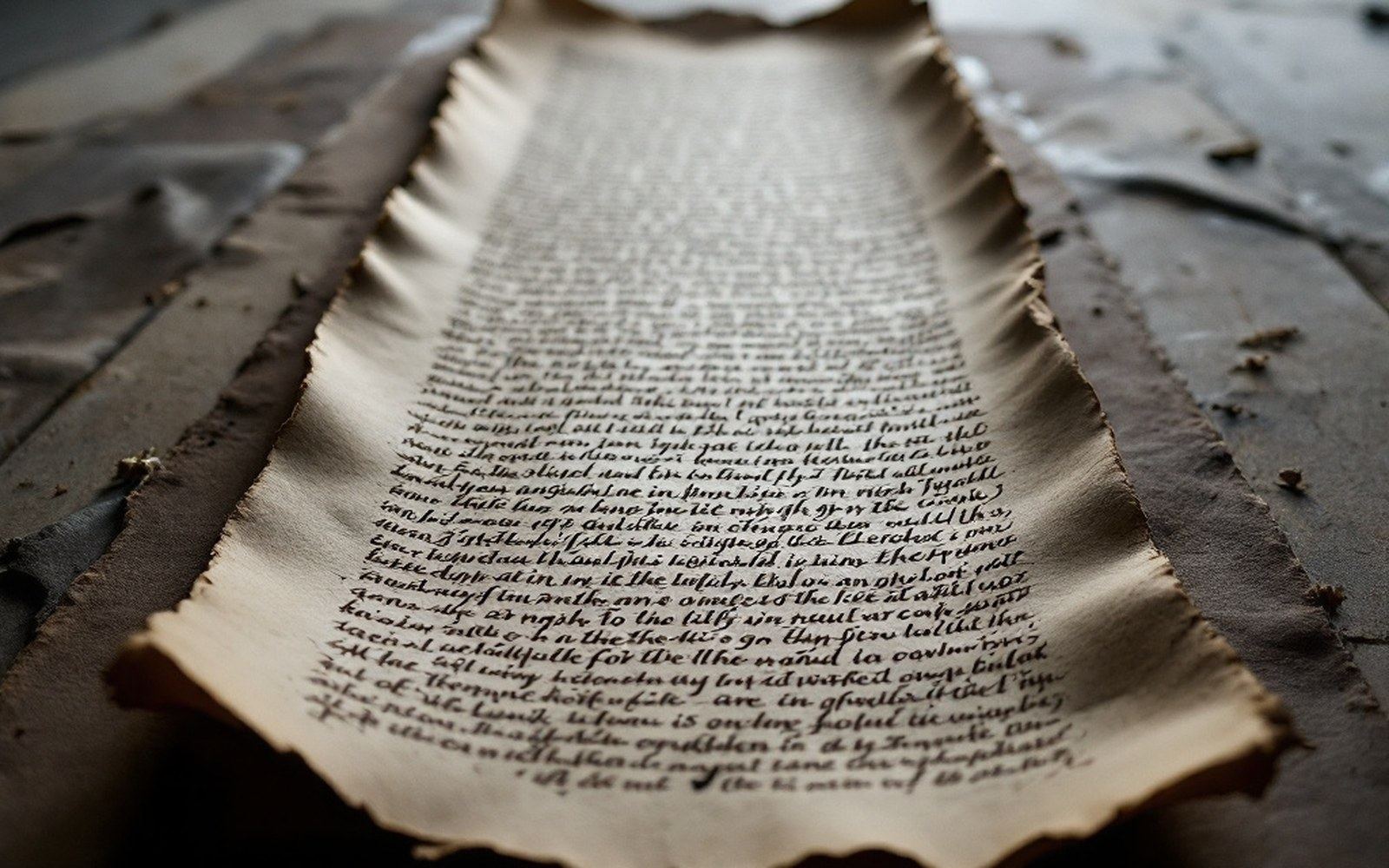
The language of those documents differs from the modern written form in spelling and grammar, which is how the manuscripts are dated. Read the entryProTibet picture library
05What Pelliot and Stein Made of It
Pelliot's command of the texts he selected meant that his portion of the archive — now held at the Bibliothèque nationale de France — was catalogued with unusual speed and accuracy for the early twentieth century.
Stein's selection was larger but less linguistically discriminating, and the British Library portion took considerably longer to fully catalogue. Both men published extensively, and their work opened the archive to the international scholarly community within a decade of the finds reaching Europe.
The Tibetan materials specifically attracted attention from scholars of the language who recognised immediately that the documents predated anything previously available from the plateau.
The pioneering work of cataloguing the Tibetan Dunhuang corpus — assigning item numbers, identifying text types, tracing parallels with later canonical works — occupied specialists through the twentieth century and continues now in digital form through the International Dunhuang Project, whose open-access database allows comparison of items across all holding institutions from a single interface.
Key materials
| Paper substrate | made from Stellera chamaejasme fibre; naturally insect-resistant |
| Carbon black ink | standard for Tibetan scribal work; red ochre used for headings |
| Physical format | pothī (horizontal Indic-style loose-leaf), not Chinese scroll |
| Desert enclosure | low humidity plus sealed dark chamber as combined preservation mechanism |
Cave 17's manuscripts do not rewrite what is known about the Tibetan plateau so much as they supply the foundation on which that knowledge rests.
Without the chamber at Dunhuang, the Old Tibetan of the imperial period would exist almost entirely as an inference — reconstructed backward from the classical language that came after it, with no direct evidence of the form it held when it was still being used.
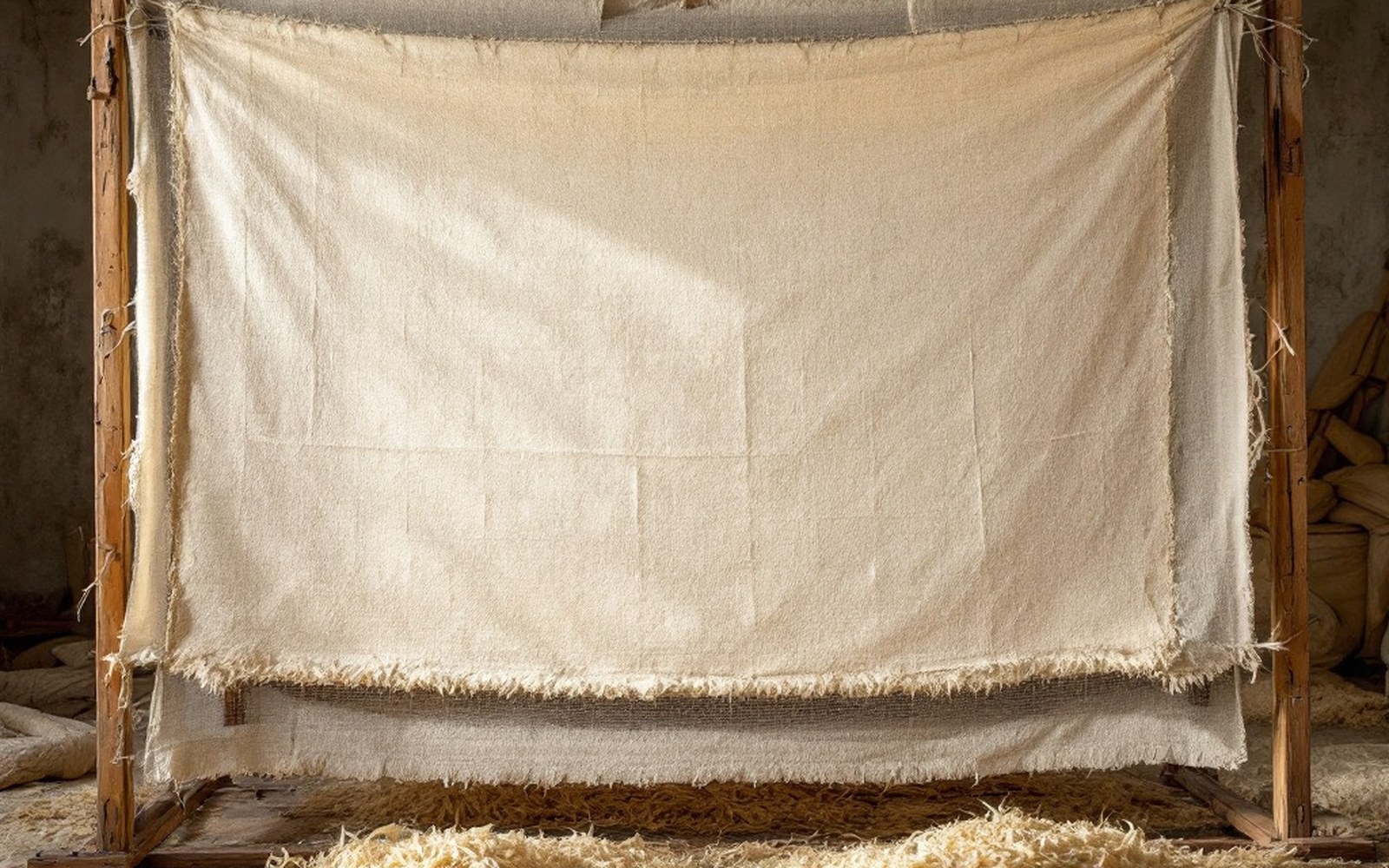
Paper made from a toxic shrub root resists insects, which is a large part of why so much survived. Read the entryProTibet picture library
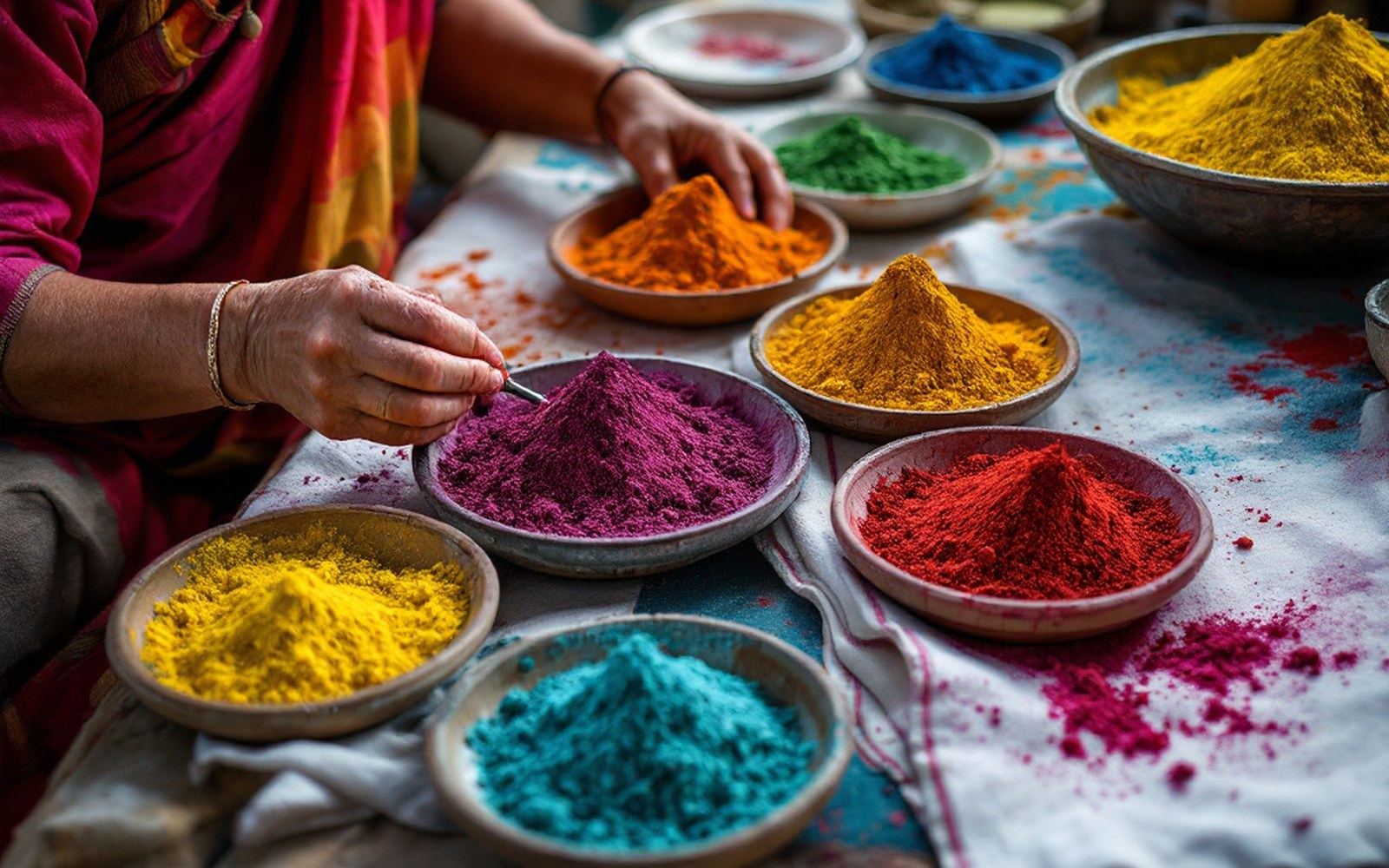
The colours are stones before they are paint — azurite, malachite, cinnabar and orpiment, ground and bound in hide glue.ProTibet picture library
Dunhuang at 40.04°N 94.80°E — the position the route surveys fixed, with the other places named across the site.
- A place an entry names — the pin opens that entry
- Graticule at 5° of longitude, 3° of latitude
- National outlines: China, India, Nepal, Bhutan